Every Day I Get Up and Look Through the
First Impressions: A Lighthearted Embroidery Design for Everyday Humor
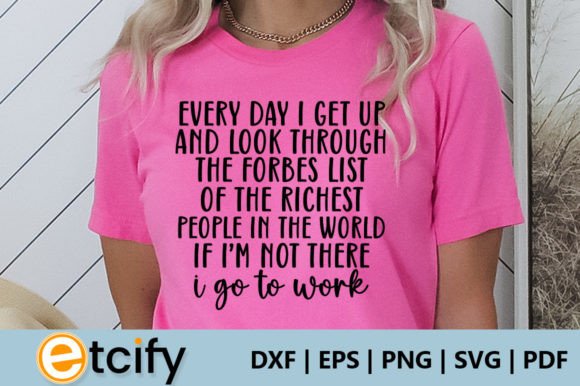
The first time I opened the Every Day I Get Up and Look Through the embroidery file, I couldn’t help but smile. It’s a simple, tongue-in-cheek design that instantly conveys a casual, humorous tone. The layout is clean and text-based, with a slightly whimsical font that suggests a laid-back personality. It’s the kind of design that would work well for someone looking to add a touch of everyday humor to a custom project without going over the top.
As a designer, I immediately thought about how this would stitch out—especially on a tote bag or a sweatshirt. The lettering is bold enough to read clearly but not so intricate that it would risk getting lost in the stitches. That’s a big plus for embroidery files meant for small business owners or Etsy sellers who want to produce readable, eye-catching designs quickly and efficiently.
Real-World Use: From Tote Bags to Sweatshirts and Beyond
I decided to test this design on a few different materials to see how it holds up in real embroidery scenarios. I started with a cotton tote bag, a common product for crafters and small shop owners. The satin-stitched letters came out cleanly, with minimal puckering. The fill stitch on the background (if included) added a nice contrast without feeling too heavy. This makes it a solid option for boutique-style tote bags or promotional items for a small business focused on casual, humor-driven branding.
Next, I stitched it onto a medium-weight sweatshirt. The texture of the fabric softened the overall look, which worked well with the lighthearted nature of the quote. It looked great on the chest area—neither too big nor too small. For Etsy sellers offering custom embroidered sweatshirts, this design could easily become a go-to option for buyers looking for a personalized but not overly serious gift.
I also tried it on a baby onesie. While the phrase itself may not be baby-appropriate, the design’s clean layout and readability make it a good candidate for playful nursery decor or embroidered wall hangings. Just be mindful of the message and audience when choosing your project.
Where to Use It Carefully: Fabric, Fit, and Functionality
Like any embroidery file, Every Day I Get Up and Look Through the has its limitations. It's best suited for smooth, stable fabrics. I noticed slight distortion when stitching it onto a stretchy knit fabric—especially around the corners of the design. If you're planning to use it on a t-shirt or baby bodysuit, make sure to use a quality stabilizer and consider adding a light underlay to keep the letters crisp.
Dark fabrics also require a little extra thought. The white thread version I tested looked good, but if the design includes small details or thin lettering, some elements may blend in or lose clarity. It’s always a good idea to test on a dark mockup or even stitch a sample on black fabric before committing to a full production run.
Curved surfaces like baseball caps can be tricky with text-heavy designs. I found that the straight layout of this quote made it a bit harder to follow the natural curve of a cap without looking off-center. If you're planning to use it on a hat, consider adjusting the layout or opting for a more curved font alternative.
How It Enhances Your Finished Product
One of the most important aspects of any embroidery design is how it contributes to the overall appeal of the finished product. In the case of Every Day I Get Up and Look Through the, it brings a sense of personality and relatability to any item it's stitched onto. Whether it's a gift for a friend or a listing in your Etsy shop, this design adds a layer of charm that can help your product stand out.
From a branding perspective, it’s a smart choice for small businesses or digital product sellers who want to offer something fun and shareable. It’s easy to customize with different thread colors, and the simplicity of the layout makes it adaptable to a wide range of products—from coffee mugs with printable mockups to embroidered patches that can be sewn onto bags or jackets.
It also performs well in digital product previews. Since the design is clean and not overly detailed, it translates nicely into printable mockups. That’s a big plus for sellers who want to showcase their work online without needing high-end photography.
Designer Notes: What to Watch For Before Stitching
Before jumping into a full production run with Every Day I Get Up and Look Through the, here are a few practical tips I picked up during testing:
- Test on scrap fabric first—especially if you're using a new stabilizer or working with a stretchy or textured material.
- Check thread color contrast—light text on dark fabric may require a backing layer or additional stitches for clarity.
- Verify hoop size—make sure the design fits within your machine’s hoop dimensions without distortion.
- Review stitch density—if the fill areas feel too heavy, you may want to adjust the density settings for a cleaner look.
- Inspect small details—if the design includes small letters or fine lines, test them to ensure they stitch out clearly.
- Test in black and white mockups—this helps visualize how the design will look in different thread combinations.
- Confirm licensing—if you're selling finished items or digital embroidery files, double-check that the license allows for commercial use.
Final Thoughts: A Versatile Design for Humor-Driven Projects
Overall, Every Day I Get Up and Look Through the is a solid embroidery file that delivers both function and personality. It’s well-suited for a variety of handmade and commercial projects—from custom apparel to digital mockups—and its clean layout makes it easy to work with across different mediums.
For small business owners and crafters, this design offers a quick, reliable way to add a bit of humor to your products without sacrificing quality. Whether you're creating a personalized gift, a boutique tote, or a custom embroidered patch, this design holds up well and adds a touch of everyday charm.
Just remember to test it thoroughly before production, especially if you're using it on unconventional fabrics or curved surfaces. With a little attention to detail, this design can become a staple in your embroidery toolkit.