Feelin Jolly: A Retro Christmas Embroidery Design That Delivers Charm
First Impressions: Retro Vibe with a Touch of Holiday Cheer
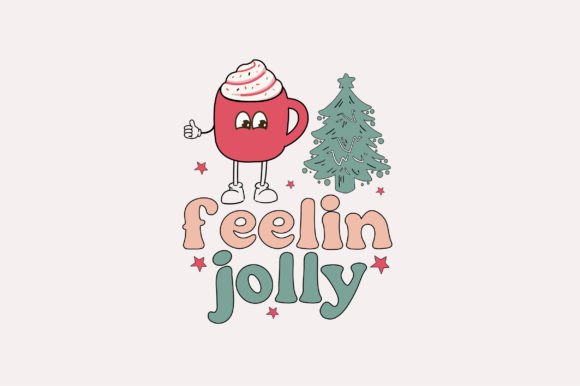
When I first opened the Feelin Jolly embroidery design, I immediately got that warm, nostalgic holiday feeling. The retro aesthetic is unmistakable—think 70s-inspired typography, groovy curves, and playful layout. It’s the kind of design that feels like it belongs on a vintage Christmas card or a boutique-style sweatshirt.
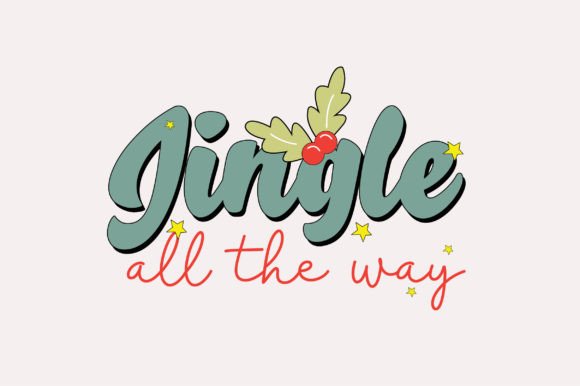
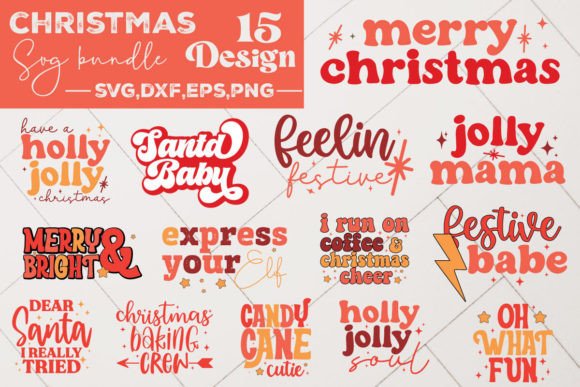
The layout is clean but not minimal, with a nice balance between text and decorative elements. The word “Feelin Jolly” is the centerpiece, accented with simple stars, holly leaves, or small snowflakes depending on the variation. It’s festive without being overwhelming, which is a big plus when you're designing for real-world use.
Real-World Use: From Sweatshirts to Tote Bags
I decided to test the design on a few different products to see how it would translate from screen to stitch. My first test was on a medium-weight cotton tote bag. The result was clean and readable, with enough detail to catch the eye but not so dense that it felt stiff or bulky. The satin and fill stitches held up well, especially around the letter edges.
Next, I tried it on a hoodie. The heavier fabric handled the stitch density nicely, and the contrast between the thread and the fabric made the design pop. I used a bright red thread on a charcoal gray sweatshirt, and the result was instantly gift-ready—perfect for Etsy sellers or small shop owners looking to add a touch of handmade holiday charm.
I also tested a smaller version on a baby onesie. The reduced size still maintained clarity, which is a good sign for those looking to use Feelin Jolly in baby embroidery or personalized gifts. Just be sure to check the stitch density and thread color contrast—light thread on a light fabric can fade too much, while dark thread on a stretchy knit may pucker if not stabilized properly.
Where It Shines: Commercial and Holiday Craft Projects
Feelin Jolly is a strong contender for commercial embroidery projects. Its retro style has broad appeal, making it a smart choice for boutique branding, holiday merchandise, or seasonal Etsy listings. Whether you're embroidering patches, pillow covers, or tea towels, this design adds a handmade yet professional touch.
For craft fair vendors or small business owners, this design works well in both digital and physical product lines. You can use it in printable mockups to showcase holiday-themed sweatshirts or tote bags, or stitch it directly onto finished items for quick holiday gift bundles. The versatility of the design makes it easy to integrate into multiple product types without feeling repetitive.
Where to Be Cautious: Fabric, Size, and Detail Considerations
While Feelin Jolly performs well in most situations, there are a few caveats. On dark fabrics, especially if using a light thread, the contrast can make small details harder to see. I noticed this with the tiny snowflakes in one of the design variations—on black fabric, they almost disappeared unless I used a metallic or neon thread.
It's also important to test the design on different hoop sizes. If you're working with a small hoop, you may need to simplify or resize the layout to avoid crowding. The same goes for curved surfaces like caps or hats—those tight angles can distort the design unless you adjust the placement and stabilizer accordingly.
Stretchy fabrics require extra attention. Without the right stabilizer, the satin stitches around the letters can pull or pucker. I recommend using a medium-weight tear-away stabilizer and tightening the hoop just enough to keep the fabric taut without over-stretching it.
Visual Appeal and Customer Engagement
One of the biggest strengths of Feelin Jolly is its visual personality. It brings a sense of fun and nostalgia to any product, which helps elevate the handmade presentation. Whether you're selling embroidered sweatshirts or personalized baby gifts, this design adds a level of charm that customers respond to.
From a branding perspective, it’s a solid choice for small craft businesses looking to build seasonal collections. The retro style is distinctive enough to stand out but not so niche that it limits your audience. It also works well across different product types, helping maintain brand consistency while offering variety in your offerings.
Designer Notes: Practical Tips for Best Results
Before stitching or selling any finished product with Feelin Jolly, here are a few key checks to make:
- Test on scrap fabric first—especially if you're using a new fabric type or thread color.
- Check thread color contrast on both light and dark backgrounds to ensure readability.
- Review stitch density before stitching on stretchy or thin fabrics.
- Confirm hoop size compatibility if you're working with limited hoop space.
- Inspect small details like snowflakes or stars to make sure they stitch clearly at your intended size.
- Use the right stabilizer—medium-weight tear-away or cut-away works best for most applications.
- Confirm licensing if you plan to sell finished items or include the design in digital product bundles.
Also, don’t skip the black and white mockup test. Sometimes the visual balance of the design changes dramatically when stripped of color, and you want to make sure it still reads clearly and looks professional.
Final Thoughts: A Festive Design with Real-World Flexibility
Overall, Feelin Jolly is a solid addition to any embroidery designer’s toolkit. It offers a retro holiday charm that’s versatile enough for a wide range of products—from custom apparel to boutique merchandise. It stitches well, scales nicely, and delivers a strong visual impact without being overly complex.
For Etsy sellers, craft business owners, and creative entrepreneurs, this design is a smart pick for seasonal product lines. It’s easy to integrate, customer-friendly, and adds a professional touch to handmade items. Just be mindful of fabric types, hoop sizes, and thread choices, and you’ll get the most out of this cheerful, jolly design.